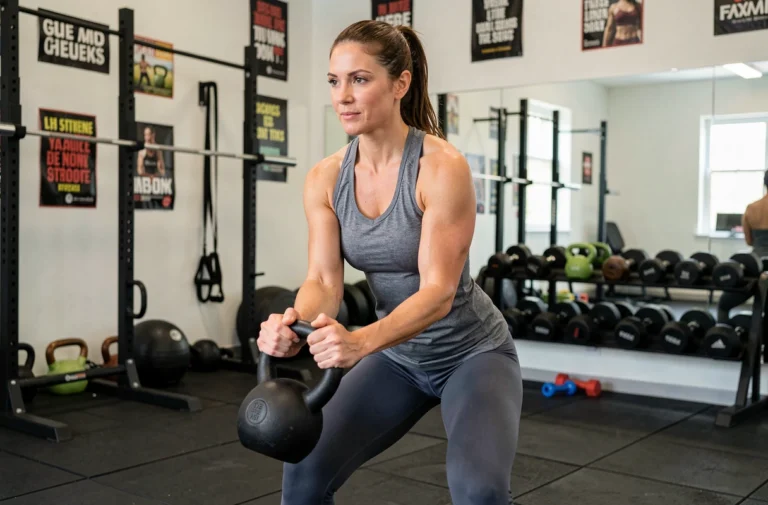
Seniors lose an average of 1 to 2% of muscle mass each year after the age of 60, a phenomenon that is largely underestimated. However, this decline is not an inevitability imposed by age but rather the result of a combination of factors that can be addressed.
The combination of targeted nutritional adjustments, appropriate exercises, and recovery strategies can limit this decline, even improving muscle tone. The most effective methods are based on scientifically validated principles, accessible without sophisticated equipment or extreme programs.
Why does muscle mass decrease after 60?
The loss of muscle mass, the infamous sarcopenia, begins to set in slowly from the age of sixty. It does not come out of nowhere: a decrease in anabolic hormones, slowed cellular renewal, and less effective muscle protein synthesis… These internal changes weigh on the body’s ability to maintain its muscles.
Another factor: daily caloric intake often drops with age, linked to a diminished appetite or reduced physical activity. The body then operates at a slower pace, with less energy to maintain its tissues. Sometimes, in the pursuit of weight loss, some seniors cut too much from their diet, to the detriment of their physique and vitality. The result: fragility, falls, threatened autonomy. The ground becomes slippery.
Aging also makes nutrient absorption less effective. Even with a balanced plate, the caloric intake to support muscle mass often remains too low. To limit the damage, it becomes urgent to reassess the quality of proteins and adjust dining habits. Pharmavia’s advice offers concrete tips to preserve your muscle strength and slow down the loss of muscle mass after 60.
To act effectively, three levers can be activated:
- Adjust the caloric intake according to actual physical activity
- Ensure the quality and variety of proteins daily
- Choose appropriate exercises that stimulate muscle mass safely
Weight training, gentle activities, or walking: which options to prioritize to preserve muscles?
Establishing an appropriate weight training routine that is regular and progressive is the foundation for countering muscle loss. After 60, it is no longer about seeking performance but about maintaining strength and mobility. In the gym or at home, short sets, performed without haste, spare the joints and effectively awaken the muscles.
Some examples of exercises for the body: assisted squats, modified push-ups, work with resistance bands. These choices preserve muscle mass without stressing the tendons or increasing the risk of injury. Focusing on cardio weight training, which alternates muscle strengthening and light endurance sessions, also improves breathing and recovery. This duo optimizes mobility and the ability to bounce back after exertion.
To vary, gentle physical activities such as yoga, pilates, gentle gymnastics, or swimming take over. They enhance flexibility, strengthen deep muscles, and protect balance, two allies for posture and autonomy.
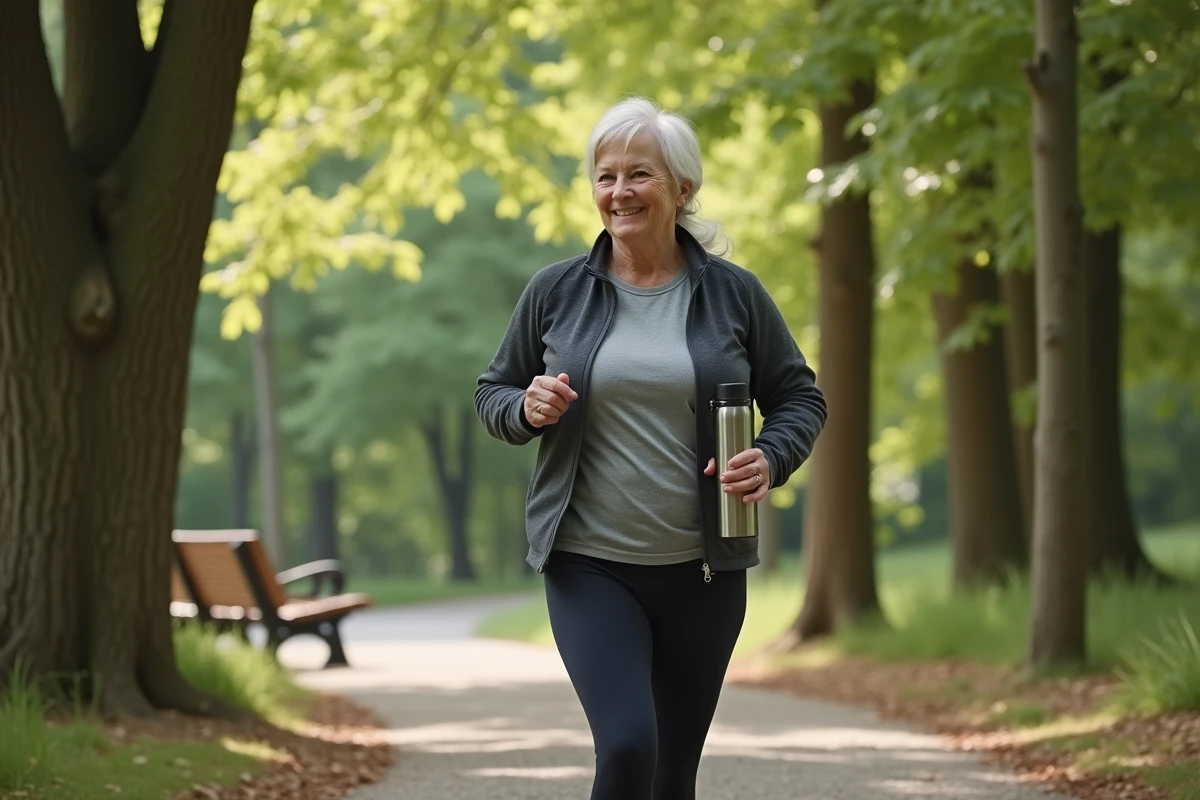
It is impossible to overlook walking. Accessible to everyone, it engages all muscle chains, stimulates circulation, and maintains endurance. Even at a moderate pace, it remains a key element for preserving muscles and joints.
To build a tailored program and progress safely, support from a fitness coach trained to meet the needs of seniors makes all the difference. This personalized follow-up is synonymous with safety, motivation, and pleasure, the three keys to sustainably maintaining muscle mass after 60.
Nutrition tips and lifestyle habits to stay fit over the years
After 60, the plate shapes the silhouette as much as training does. Adjusting daily caloric intake prevents drawing from muscle fibers to compensate, while allowing for a reduction in fat reserves. At every meal, emphasize quality proteins: eggs, fish, poultry, legumes. These sources nourish the repair and maintenance of muscles, especially during periods of caloric deficit.
As for carbohydrates, vary them: whole grains, oats, root vegetables. These foods provide the necessary energy to maintain a muscle training rhythm without causing excessive fluctuations in blood sugar. Fats from vegetable oils, avocados, or nuts protect the heart and help the body mobilize its reserves.
What supplements to support the transformation?
In some cases, supplementing the diet remains useful. Here are the main options to consider:
- Vitamins, minerals, and certain amino acids facilitate recovery and help fend off persistent fatigue.
- A thoughtful intake of dietary supplements can support a controlled diet, especially if appetite decreases or dietary diversity diminishes.
Hydration should not be neglected: drinking regularly, spreading food intake throughout the day, are two simple actions that stimulate metabolism. Taking the time to eat at fixed hours, in a friendly atmosphere, also helps stabilize caloric intake and fosters a relaxed relationship with food. This is the best way to promote fat loss without sacrificing muscle mass.
After 60, the balance between movement, the pleasure of eating, and self-care makes all the difference. And what if regained strength became the true marker of the passage of time?