Z series hold a unique place in the audiovisual landscape. Far from the colossal budgets of Netflix or Disney, they rely on inventiveness, second-degree humor, and a creative freedom that big productions cannot afford. In 2026, this segment is experiencing a resurgence of attention driven by revival projects, changes in the production model, and a fan community that has never been more active online.
Z Nation Resurrection: the zombie revival that reignites the franchise
The project generating the most buzz in the Z series sphere this year is Z Nation: Resurrection. The Asylum, a historic studio in the genre, is working on a direct sequel to the original series. The plot takes place several years after the events of the last season and features a new generation of survivors.
The planned first season will consist of ten episodes. The project was presented to international buyers at the MIPCOM market. At this stage, neither the broadcasting platform, nor the release date, nor the final cast has been announced.
Did you follow the original series? One point deserves attention. Z Nation was primarily filmed in the Spokane area, in the United States. Local crew members have informed KHQ that they have not been contacted for the new production. The revival may not bring back the local jobs related to the original filming, raising questions about the connection between a franchise and its production territory.
The comparison with Black Summer also highlights the project’s interest. This series explored the same universe but with a radically different tone: dramatic survival, dark atmosphere, realistic staging. Resurrection returns to the main franchise and its original tone, balancing horror comedy and carefree action. Seeing two treatments of the zombie narrative coexist in the same universe is rare enough to be noted.
To keep up with the progress of this project and other new developments in the genre, the news on the Série Z website regularly covers this type of announcement.
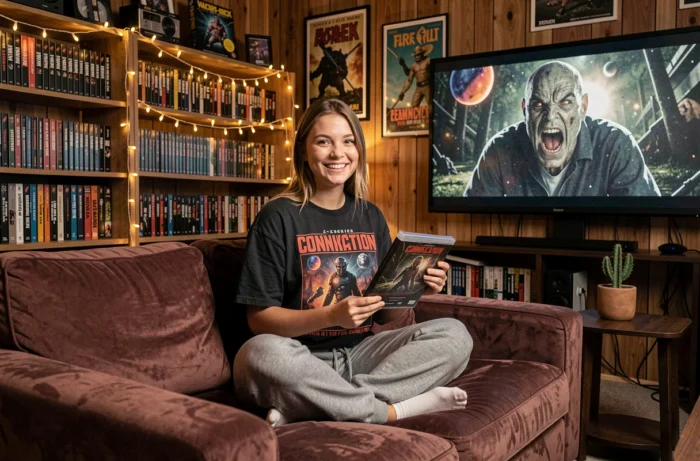
Apocalypse Z: when the zombie genre speaks Spanish
The zombie narrative is not limited to sequels of American franchises. The literary saga Apocalypse Z, written by Manel Loureiro, has helped to renew the post-apocalyptic genre in the Spanish-speaking world.
The originality lies in the geographical setting. The novel takes place in Spain, far from the North American backdrops that usually dominate this type of narrative. This shift changes the narrative dynamic.
Z series no longer come solely from American studios. European and Latin American projects are emerging in this niche, supported by modest budgets but possessing their own identity.
Z series and streaming platforms: a changing model
For a long time, Z series thrived on secondary cable channels or on DVD. The rise of platforms has reshuffled the deck. Apple TV, Amazon Prime, and more specialized services like Tubi or Pluto TV are now broadcasting content that would have remained invisible a decade ago.
Why this shift? Platforms need volume to feed their catalogs. Z series, often free of rights or negotiated at low prices, meet this need. Some titles go beyond mere filler and find a real audience.
- Recommendation algorithms expose Z series to viewers who would never have sought them out, generating unexpected viral effects.
- On TikTok and Reddit, communities transform obscure flops into cultural phenomena in just a few days, reigniting interest in forgotten productions.
- The AVOD (advertising-supported video on demand) model allows series without a paid subscription to reach millions of views.
The audience for Z series is no longer a marginal niche audience. It is an organized community capable of bringing attention back to productions decades old.
Artificial intelligence and audiovisual production: what Z studios are monitoring
A less publicized topic directly concerns the small studios producing Z series: the regulatory framework for artificial intelligence in audiovisual creation. In Europe, discussions are ongoing about the transparency obligations applicable to AI-generated or assisted content.
For these studios, the question is very concrete. Generative AI allows for the creation of special effects, digital sets, or drafts of scripts at a lower cost. Meanwhile, legal questions arise around copyright and the use of protected content in training AI models. The applicable framework varies by country and is still evolving.
Studios like The Asylum, accustomed to working with very tight budgets, could be among the first to heavily integrate these tools. The tension between productivity gains and legal compliance will weigh on the upcoming production seasons in this segment.
What this changes for independent creators
Independent directors who contribute to the Z series catalog are already using AI tools for storyboarding or sound post-production. The regulations currently being developed do not prohibit these uses, but they tend to require traceability. AI-generated content should eventually be identified as such. For low-budget productions, this administrative obligation can represent a significant additional cost.
The world of Z series is undergoing a period of transition. Revivals of established franchises like Z Nation, literary adaptations from Europe, changes in the distribution model on platforms, and gradual regulation of AI: the genre is professionalizing without abandoning its DNA. The coming months will reveal whether this dynamic leads to actual broadcasts or remains at the project stage.