Whether we like it or not, certain game rules shake up the family table. Alliances shatter in the middle of a game, a banned word traps the most focused player, and award-winning titles choose total cooperation over competition. Nothing is set in stone; everything can change with the simple reading of an unexpected instruction.
Every year, the family game sector reinvents itself, injecting mechanics we didn’t see coming. Between official variants and rules adapted to age or the number of participants, diversity finds its way into living rooms. The gaming experience is enriched, and the evening takes a different turn depending on the designers’ choices.
Why family board games are experiencing a resurgence
Creating a board game as a family is no longer just a way to pass the time: it’s a collective adventure where everyone, young or old, contributes their part. We imagine, we draw, we invent worlds, we reinvent rules. This dynamic transforms the simple act of playing into a space where conversation flows more freely than usual.
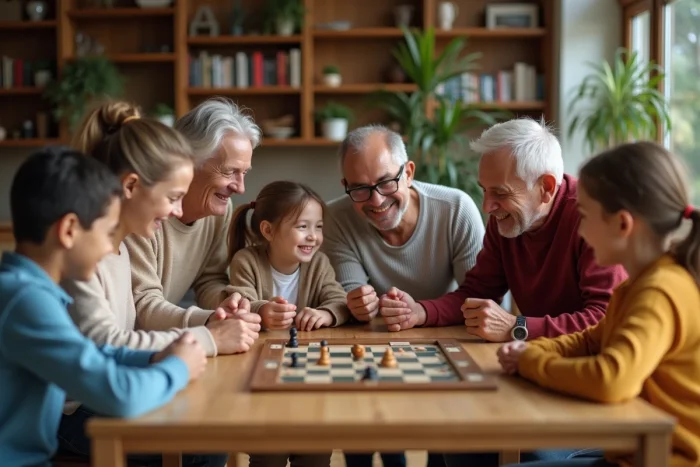
Over the course of the games, play transcends mere entertainment. It becomes a landmark, a gathering during holidays, birthdays, or those Sundays when the rain taps against the windows. Children take ownership of the rules, modify them, and pass them on to others. The anecdotes survive the end of the game, feeding the family narrative. This is where the family board game at home reveals its true strength: to unite, to create shared memories, and to give depth to shared time.
No need to be an expert: game creation can happen anywhere there’s a bit of cardboard, some markers, improvised tokens, and fresh ideas. If you want to go further, accessing the site laregleduje.net opens up concrete avenues: tips for designing simple rules, inspiration for animating your evenings, advice for strengthening intergenerational bonds. A homemade game can even find its place under the Christmas tree or be given as a tradition to renew each year.
What games to choose to bring together young and old around the table?
A family board game primarily relies on the clarity of the rules and the richness of interactions. The board, often made at home, serves as the backdrop for the adventure: investigation, cooperative mission, or friendly challenge. The cards add rhythm to the game, with challenges, bonuses, penalties, or questions specifically designed so that everyone has a place, regardless of age.
In this mini-universe, every detail counts. The tokens become the players’ avatars. A handmade die adds its dose of uncertainty. The rules, developed collectively, remain open to adjustments: including the youngest does not stifle creativity; on the contrary, it encourages it. The variety of cards, challenges, forfeits, family questions, bonuses, and penalties ensures that no two games are alike, maintaining curiosity and the desire to play again.
Here are the key elements to design a family game that truly brings everyone together:
- Colorful and modular board, easy to personalize from one game to the next
- Challenge cards: tasks to complete, in teams or in duels, to vary the fun
- Bonus/penalty cards that inject suspense and plot twists
- Homemade accessories: improvised hourglass, storage box decorated by multiple hands
The family board game breaks free from ready-made models. It adapts to age, to the mood of the moment, to the household’s imagination. Drawing from family history, it prioritizes cohesion over individual victory, transforming even the simplest evening into a shared highlight.
Practical tips for organizing unforgettable game nights with family
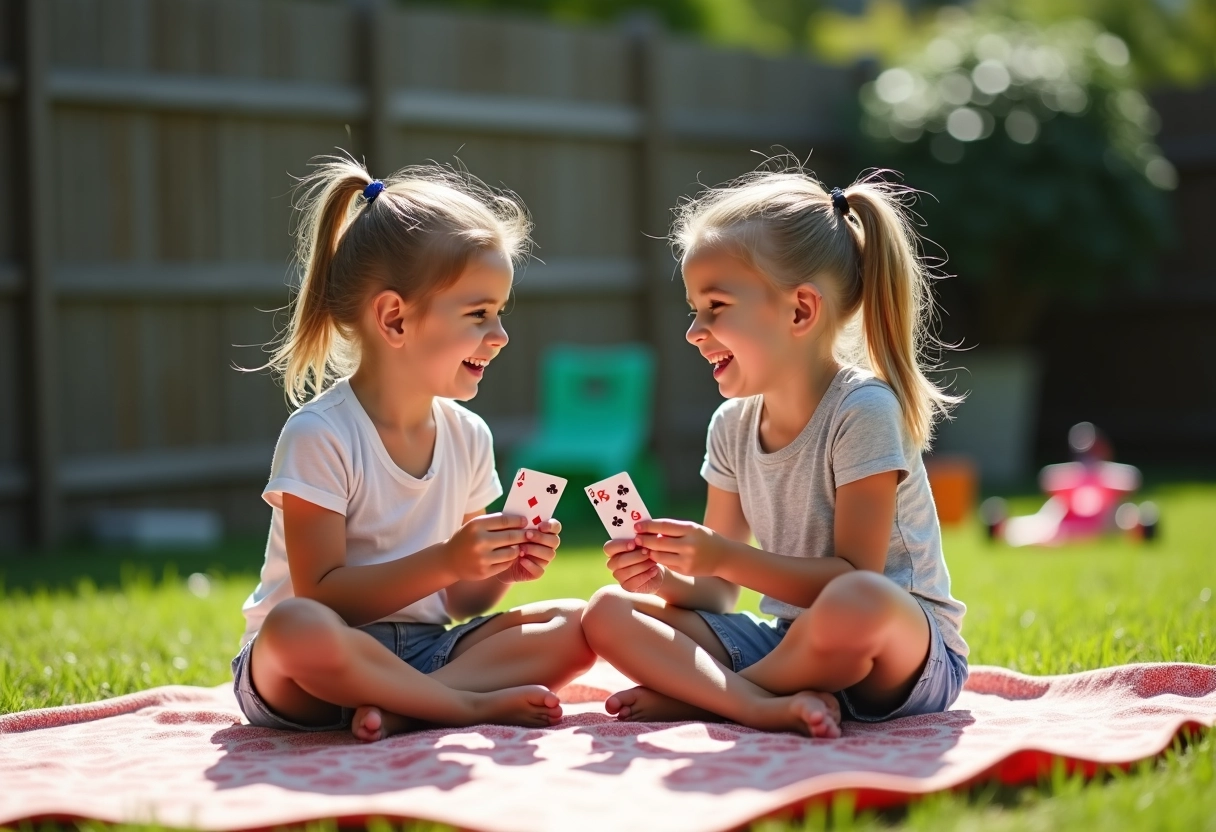
For a memorable home game night, it takes little: a dose of imagination, a bit of recycling, and the desire to be together. The materials can be improvised: a cardboard board decorated by the children, tokens found in drawers (buttons, caps, figurines), accessories crafted on the fly. An hourglass can be made from two glasses and a bit of sand, and a decorated box becomes a case for the cards and tokens.
Adapt, adjust, experiment with each game. The family becomes a living workshop: refining the rules, balancing challenges according to ages, inventing new cards or puzzles. It’s this flexibility that makes the difference. Over the course of the evenings, the camaraderie strengthens, laughter accumulates, and the atmosphere settles in.
Record these moments in a notebook or logbook. Note the anecdotes, the memorable scores, the drawings of the board. This little heritage, modest or abundant, engraves in the family memory the trace of these evenings, making the game a living tradition, ready to be reborn at every gathering around the table.