In cooking, a small measurement error can turn a promising dish into a culinary disappointment. When juggling grams, milliliters, cups, and other units, it’s easy to make mistakes. However, a few simple tips can help avoid these missteps. For example, using a precise kitchen scale for dry ingredients and a measuring cup for liquids ensures accurate measurements.
It is helpful to familiarize yourself with common conversions. Knowing that one cup is approximately 240 milliliters or that one teaspoon equals 5 milliliters can save many recipes. Conversion charts available online or in certain cookbooks are also valuable allies.
Understanding Measurement Units in Cooking for Accurate Conversions
In cooking, the accuracy of measurements determines the success of recipes. Measurement units often vary, requiring a clear understanding of equivalences to avoid errors. Experienced cooks know this: an imprecise conversion can ruin a dish.
Liquid measurement units are particularly tricky. Converting milliliters to centiliters, for example, is a common step. Did you know that 400 ml in cl translates to 40 centiliters? This conversion may seem simple, but it is fundamental for precise preparations.
Common Equivalences
- 1 cup = 240 ml
- 1 tablespoon = 15 ml
- 1 teaspoon = 5 ml
A conversion chart can be handy for visualizing these equivalences. These tools are often available in cookbooks or through dedicated apps.
| Unit | Equivalent in ml | Equivalent in cl |
|---|---|---|
| 1 cup | 240 ml | 24 cl |
| 1 tablespoon | 15 ml | 1.5 cl |
| 1 teaspoon | 5 ml | 0.5 cl |
Using precise tools such as electronic scales, graduated measuring cups, or standard measuring kits ensures accurate measurements. Electronic scales, for example, provide precision to the gram for dry ingredients. As for measuring cups, they make liquid measurement easier with their clear and precise graduations.
By mastering these units and tools, you will avoid measurement errors and ensure the success of your recipes. 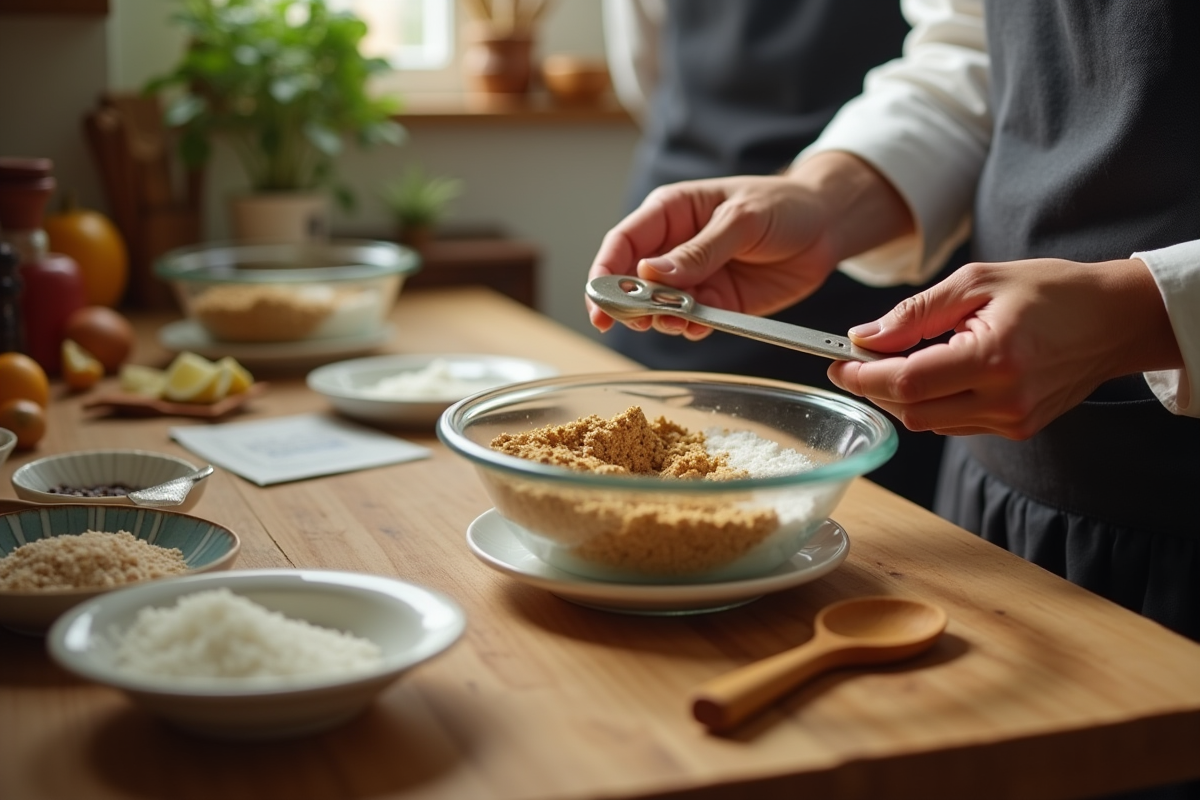
Tools and Tips to Avoid Measurement Errors
To avoid measurement errors in cooking, using precise and reliable tools is essential. Here is a selection of instruments and tips that will help you ensure accurate measurements.
Recommended Measuring Tools
- Standard Measuring Kit: This kit simplifies unit conversion with a complete range of measuring spoons and cups. The Rainberg Set of 8 Magnetic Measuring Spoons in Stainless Steel is a reliable option for precise measurements.
- Cuteefun Set of 12 Measuring Cups and Spoons: This set is useful for cooks who want precision to the milliliter.
- Fousenuk 8-Piece Measuring Cups and Spoons: Ideal for recipes requiring frequent conversions.
- U-Taste Set of 15 Spoons: A smart choice for baking enthusiasts, offering essential precision for delicate recipes.
- Fohil Set of 10 Measuring Cups and Spoons: Perfect for measuring liquids and dry ingredients.
- Yizish Stainless Steel Measuring Spoons and Cups: A robust and durable tool, ideal for everyday use.
Additional Resources
Consulting specialized cookbooks can also enhance your accuracy. The Official Companion Bible and My Robot & Me No. 32 – Light Cooking offer practical tips to optimize your measurements.
Conversion Apps
Mobile apps dedicated to culinary conversions are also available. They allow you to quickly obtain equivalences between different measurement units, thus avoiding approximations.
By combining these tools and resources, you can avoid measurement errors and ensure consistent and precise results in your culinary preparations.